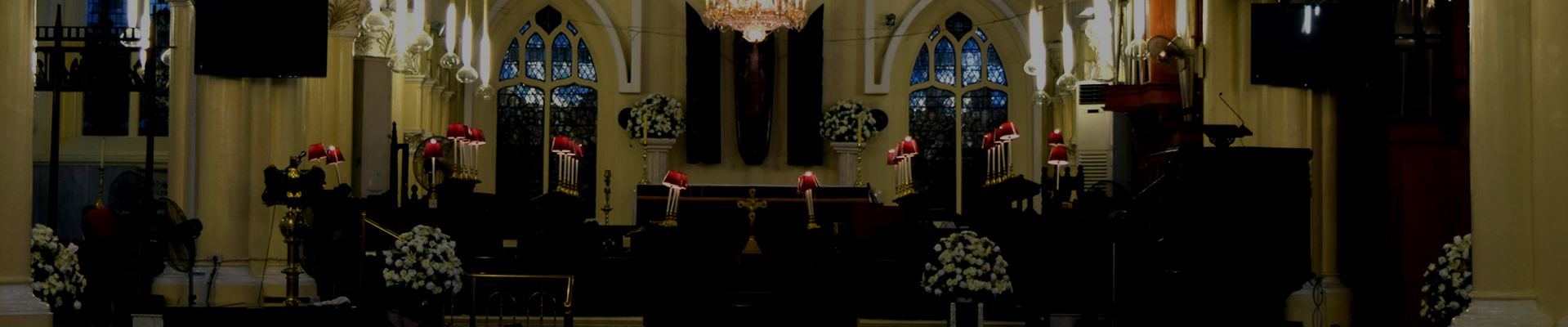
The theme, “Ransomed for Kingdom Duty,” brings together the saving work of Jesus Christ and the responsibility of every Christian to serve Him faithfully.“Hebrews 5:1–10 presents Christ as our Great High Priest, who fulfilled His divine calling (Salvation) through obedience, prayer, and suffering.
This reveals the seriousness of Christ’s earthly mission and the importance of prayer in fulfilling God’s purpose.
Kingdom works cannot be sustained by human strength alone. Church leaders may possess educational experience, eloquence, financial resources, and administrative ability, but without dependence on God, spiritual service becomes empty activity.“Prayer is not a substitute for responsible action; it is the spiritual foundation that guides and sustains action.“Every believer must cultivate a life of prayer, Bible study, worship, fellowship, and obedience.“A Church that organizes many programs but neglects prayer may become busy without becoming spiritually fruitful.
Mark 10:45 reveals Christ as the Servant King, who rejected worldly ideas of greatness and declared that He came not to be served but to serve and to give His life as a ransom for many.
In Mark 10:35- 40 records a revealing encounter between Jesus and two of His disciples, James and John. They requested positions of honour, asking to sit at His right and left in His glory.“Their request exposed a misunderstanding of the nature of the Kingdom. They desired glory but had not fully understood the cost of following Jesus. The passage further provided some of the strongest lessons on the relationship between redemption, leadership, and service.
James and John approached Jesus with a request for prominent places in His Kingdom. Their request provoked indignation among the other disciples, suggesting that ambition and rivalry were affecting the whole group.
Jesus used the situation to teach them that Kingdom greatness is different from worldly greatness. In many churches today, people may struggle for leadership positions, titles, recognition, committee appointments, or proximity to influential leaders. Sometimes, church service becomes a competition in which members seek to outshine one another.
However, the Kingdom of God is not built on jealousy, unhealthy rivalry, or the pursuit of personal prestige. Every Christian who is genuinely ransomed should be willing to serve whether appointed to a prominent office or assigned an unnoticed responsibility.
The person who cleans the church, visits the sick, teaches children, prays for the congregation, welcomes newcomers, or quietly supports a struggling family is performing valuable Kingdom service. Our worth in God’s Kingdom is not determined by the visibility of our position, but by our faithfulness to His calling.
In Mark 10:38, Jesus asks James and John whether they can drink the cup He drinks and be baptised with the baptism with which He is baptised.
The imagery points to the suffering and cost associated with His mission. The disciples wanted positions of honour, but Jesus directed their attention to the demands of discipleship.
Christian service is not always comfortable. It may require giving up personal convenience, spending time with difficult people, sacrificing resources, enduring criticism, and continuing to serve when appreciation is absent.
A committed church worker may have to choose a prayer meeting over entertainment, ministry preparation over idleness, reconciliation over pride, and generosity over selfishness. This does not mean that Christians must seek suffering for its own sake. Rather, it means that when faithfulness requires sacrifice, we must not abandon our calling merely because it becomes difficult.
Romans 12:1 urges believers to present their bodies as a living sacrifice, holy and acceptable to God, as their spiritual worship.“Our whole lives must become an offering to God.
In the worldly systems, greatness is often associated with control, privilege, wealth, and the ability to command others. In Christ’s Kingdom, greatness is expressed through humility, service, sacrifice, and concern for others. Some Christians are contented with attending church services without participating in the Church’s mission.
They receive spiritual nourishment but do not make themselves available to serve. Some believed that they are too weak, uneducated, inexperienced, or unimportant to serve God.
Yet God frequently uses ordinary people who are willing to trust Him. Moses had concerns about his ability to speak, Jeremiah felt too young, and the disciples were ordinary people whom Christ equipped for His mission.
In summary, these passages establish that Christian service must be rooted in redemption, shaped by obedience, expressed through humility, and directed towards God’s glory. We have been ransomed from the bondage of sin so that we may belong to Christ and live according to His purpose. We have been called out of darkness to proclaim His praises (1 Peter 2:9). We have been saved by grace and created in Christ Jesus for good works (Ephesians 2:8–10). We have received gifts so that we may serve one another as faithful stewards of God’s grace (1 Peter 4:10).
Therefore, no believer should regard himself or herself as too insignificant to serve. No ministry should be despised because it lacks public recognition. No Christian should pursue a position while neglecting the responsibilities attached to it.
The Church needs Christians who will pray faithfully, preach the Gospel courageously, serve humbly, give generously, love sincerely, work diligently, lead responsibly, and endure faithfully.
The most important question is not whether we have received a title, a position, or public recognition. It is whether we are faithfully using our lives to fulfil the purpose for which Christ redeemed us. May every member of the Church become a faithful servant of the King, and may our congregations become communities where the saving grace of Christ is proclaimed and His love is demonstrated through practical service.
We were ransomed by Christ, we belong to Christ, and we are called to serve Christ. May the Lord find us faithful in the discharge of our Kingdom duties until the day we stand before Him.